
Memes span a wide variety of concepts, jokes, formats and demographics from 2000s Vines like “Fre sha voca do” and “Road work ahead” to newer 2020s brainrot like “Skibidi Toilet” and “67.” It would seem that as the title of youngest generation passes from Gen Z to Gen Alpha, meme culture too is shifting from “Dank” memes like “Stonks” to “Italian brainrot” such as “Trallalero Trallala.” Now, whether or not a meme is good is not objective; every person has their own opinions about which memes they like and which ones they don’t.
However, what may be objective is whether or not a meme is good for someone mentally. One reason that these newer 2020s memes are referred to as “brainrot” is because older generations claim, as they almost always have, that consuming media will, in fact, rot one’s brain. Local Petaluma resident and Gen Xer, Jim McCall, stated that “nobody in my generation understands [brainrot].”
Before these nonsensical pictures and videos referred to as “brainrot,” there were what some consider to be less nonsensical pictures and videos from the 2010s, mostly referred to as “dank memes.”
After hearing this, you may be curious as to what recent brainrot has emerged. One of the most recent memes of this “brainrot”
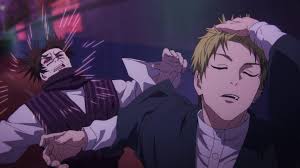
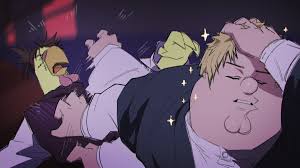
classification has fallen under the umbrella of a particular section of internet memes referred to as “Lobotomy Kaisen.” This new meme format is known as the “naoya hair flip” as it consists of one character from a popular show adjusting his hair with one hand while relentlessly punching another character behind them with the other hand.
Several variants of this scene have been plastered across the internet.
According to ABC News’ Bethany Braun-Silva, brainrot isn’t necessarily harmful, “but it’s worth paying attention to how much time your child spends immersed in the brainrot universe.” Braun-Silva shared input from licensed marriage and family therapist Cheryl Eskin, who explained, “While it [brainrot] might look like nonsense to us, it’s often a creative outlet for kids.”
Our own Casa Grande students revealed varying opinions, even among those in the same grade level. When asked for his opinions on brainrot memes, senior student Nolan Tucker stated, “Honestly, the youth is going to find something stupid to laugh at. Why stop them? Plus, sometimes it’s even funny.” Contrastingly when asked the same question, Casa senior John Tambellini shared an opinion on the opposite side of the spectrum when he said that he thinks brainrot memes shouldn’t exist.
Surrounding the new year of 2026, there was serious conversation on the internet all over the world regarding an effort for a “great meme reset.” This reset was said to be a return to 2010s meme culture, regressing back from brainrot to the time of dank memes such as stonks and Uganda Knuckles; however, it would seem this effort did not yield the expected result. Rather than returning to 2010s humor, it would seem that the internet decided to move on to some newer comedy. Within hours of the start of the new year 2026, videos were all over social media applications such as Tiktok, Facebook, Instagram, X and YouTube, all seemingly of people with a common goal, to create the first meme of 2026. A simple Google search of the first meme of 2026 traces the viewer to a YouTube video from a creator named “Icycol,” which claims the first meme of 2026 is just a picture of famous soccer star Christiano Ronaldo drinking chocolate milk out of a wine glass.
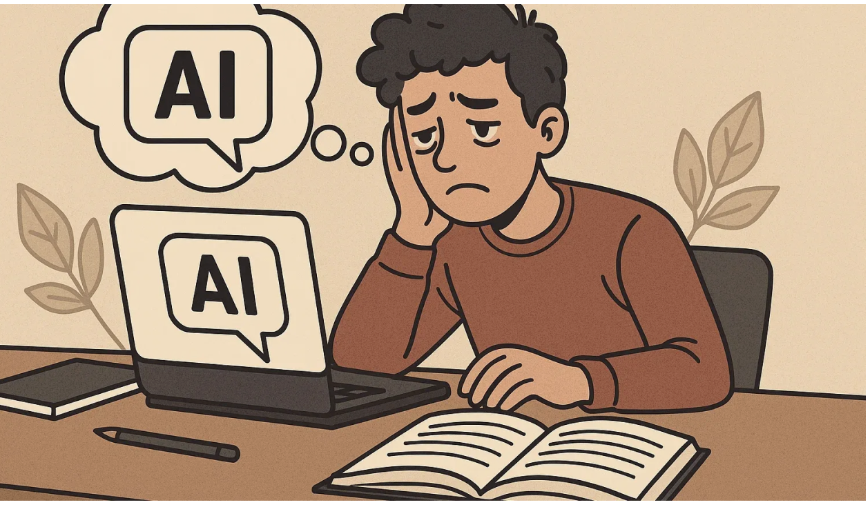
So, are memes getting better? Or worse? That is the question with a very subjective answer. Brainrot does not actually rot one’s brain and has not been proven to be physically or mentally harmful in any capacity. Whether or not the jokes are funny depends on one’s own sense of comedy. Nostalgia will always call Gen Z back to ASDF and Millennials back to Adam Sandler, but it would seem in the perspective of our youths, brainrot and whatever generative AI slop that comes with it is Gen Alpha’s comedic future.