
We’ve all had those days where you wake up late for school, you’re rushing out the door, and you don’t even think about what you’re wearing. Maybe you don’t even change out of the clothes you slept in at all. On other mornings, you wake up early, take a shower, do your hair, pick out a cute outfit the night before, etc. As high school students, this is our reality–some days we have energy, and some days we just don’t. But fashion is almost always prevalent in everything we do. Whether it’s reflecting cultural symbolism displayed in movies, being inspired by someone on social media, or even seeing someone out in the world, at its core, fashion is a form of communication.
For centuries, trends, ideals, body types, colors, even moods decide what people choose to put on their bodies. Yet fashion is often associated with runways, luxury brands, and celebrity trends. In reality, it plays a role in everyone’s daily life. From school outfits to professional uniforms, the clothing people choose reflects personal identity, culture, social trends, and even history. Although trends and styles change, fashion itself remains a powerful and consistent part of how society communicates.
“Honestly, a lot of the time I don’t even realize it, but what I’m wearing usually depends on how I’m feeling,” responds Savannah Kahn, a freshman attending Casa Grande. “If I’m tired, most days I’ll just put on a hoodie or some leggings and call it a day. But sometimes if I’m excited about something, I might take the time to plan out my outfit the night before.” This idea of dressing differently depending on how we may be feeling or because of certain events happening reveals how closely fashion is tied to our mental and emotional states.
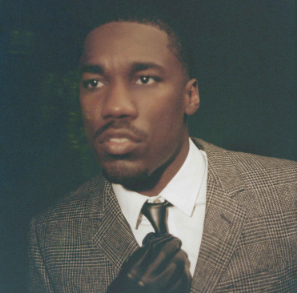
The Western University of Michigan’s fashion department reports that clothing can have an effect on confidence and performance levels while students are in school. Additionally, style can create a sense of belonging. Friend groups might often share similar styles as one another, whether that is streetwear, minimalistic outfits, athletic wear, vintage-inspired clothing, etc. Wearing certain brands or following certain trends can help students feel connected to others. At the same time, fashion also allows people to stand out. Some students might use unique accessories, thrifted pieces, or bold colors to express individuality.
 Social Media has also transformed the very idea of fashion in recent years. Platforms such as Instagram and TikTok have skyrocketed, creating trend cycles, and making style types spread faster than ever before. A celebrity could wear a certain outfit or type of jacket and all of a sudden everyone is trying to recreate it or put their own spin on the trend. However, these rapid changes also highlight how fashion evolves and develops while still remaining relevant.
For example, fashion trends from the 1990s and 2000s have made major comebacks in the last few years alone. Baggy jeans, chunky sneakers, claw clips, and oversized graphic tees have now found their way back into daily life and are seen as common style again. What was once considered outdated is now seen as cool, chic and quite normal for many people. This pattern of revival shows that fashion is cyclical and ever evolving. While the details change, the influence of past decades and trends remains strong.
Beyond trends and TikTok, fashion reflects larger cultural and significant movements. From women being able to wear bikinis and pants in the 1940s because of WWII, to the normalization of flower crowns and bell bottoms in the 70s, throughout the decades, clothing has symbolized rebellion, freedom, and social change. Today, sustainable and lasting fashion has become more important as awareness grows around environmental impact. Thrifting and re-buying clothing is now seen as reasonable and responsible, expanding consciousness of where our clothes are coming from and how they are being made.
Although some people claim fashion is superficial, its influence suggests otherwise. The clothes we wear can affect impressions, confidence, and even social dynamics. Fashion is able to empower individuals, create communities, and reflect the change of time. Regardless of income, background, or personal style, everyone expresses themselves differently. While fashion may evolve from decade to decade, trend to trend, its presence remains a constant. It is about identity, creativity, and connection. Within classrooms, hallways, workplaces, homes, and more, fashion quietly shapes how we ourselves and other people see us. Clothes are just more than pieces of fabric — they are the daily expression of who we are.