

Nobody had expected a quiet junior to be the one to be the one who out-played Father Nature, AKA Mr. Dan Hubacker. Only one student had ever won this activity before: Alina Rivera Gongora (12), who secured that victory last year. This year, we almost had two winners: Rose Galvan Simpson (11) and EJ Breyfogle (11). Both made it to the final rounds, but the day before the finale, Hubacker had Galvan Simpson draw the last card of the day — one that, unfortunately, eliminated Breyfogle.
By the final day, the tension was high. At first, everyone wanted Galvan Simpson out, but after Hubacker gave a speech about teamwork and having each other’s backs, the mood shifted. Suddenly, the class wasn’t trying to stop her, they were rooting for her.
When the final round began, the remaining players gathered around, ready to grab as many beans as possible. While everyone else scrambled, Galvan Simpson stuck to the same strategy she had used every round before: quietly collected ten two-point beans and three one-point beans. When time was called, the players formed a circle and began announcing their totals. When it was Galvan Simpson’s turn, the room went silent. She carefully counted her beans again, making sure she had it right.
Twenty-three.
Just like every round before.
She had survived the hard part. Now all that was left was luck, hoping, as they entered the last round, that Father Nature wouldn’t pull her card.
Why you should join:
Hatchery would be a great addition in your choice of classes for junior or senior year of high school at Casa. Some of the few reasons that you should consider is the unique experience that comes with being in the Hatchery. This Hatchery is the only one in the state that is run entirely by the students with, of course, the support from peers, teachers, and the community. Another great advantage to taking this class is that it is a nice addition to college applications. This includes giving Casa students the chance to prepare themselves for future careers that focus on the environment, animal studies and many other jobs. Additionally, the class gives students the chance to form friendships with peers in ways that otherwise could’ve never been possible. This includes the ability and chance to communicate and build team work skills through engaging class building activities.
Hubacker is an outstanding teacher. He often works with students, gives valuable advice on work, and answers any questions students may have regarding course curriculum and lectures. He makes sure students do not have a difficult time during his class and makes sure that it’s understandable and thorough. He is very talented at getting students to step out of their comfort zones and experience the class at its full potential — all while students work to learn and save an endangered animal that is local to Petaluma and Sonoma County. Throughout the entirety of “Hatchery” or “ENCR” (Environmental Conservation and Restoration), not a single class has been the same as another. Every year, the classes have become their own unique experience; every person brings personality and flavor to the classroom. Enrolled students get to see and experience how the hatchery process functions. Student, Jadyn Sullivan (11) said that she “would 100% recommend this class to everyone debating whether to do it or not. This class brings joy to everyone as you collaborate with your classmates, especially as you prepare for Happy Week and The Bear Test.”
What the class is like outside of Bear Week and Happy Week:
When someone mentions the Hatchery class, everyone typically pictures students running and hiding during The Bear Test or students dressing colorfully during Happy Week. However, the class goes far beyond just these activities. The majority of the time, Hatchery students learn through lectures on whatever topic they are covering. Students make notes of these lectures and later revisit them to study for tests, or stressfully correct them for their notebook check. Hubacker draws the attention of students during his lectures because of his enthusiasm and genuine interest in the topics that he teaches, and he says that he “enjoys teaching because [he gets] to talk about animals everyday.” He provides clear details so that the students can fully grasp the information that is being presented to them. These lectures are different from any others, with Hubacker often providing personal experiences and unique examples that would not be able to be taught by anyone else. It is understandable that typically, students do not feel that listening to lectures is not very exciting, and this is why Hubacker allows students to participate in hands-on activities.
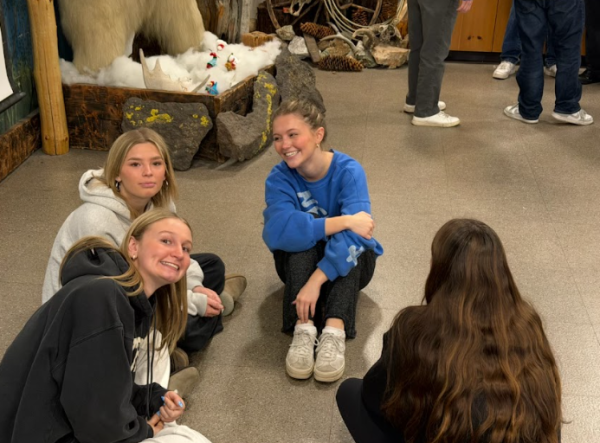
For example, at the beginning of the year, all students participated in an activity called net training. During this activity, students learned how to properly use, assemble, and disassemble capture nets. Afterward, students attempted to work together and communicate with each other during their next net training task. The goal of this activity was to achieve containment in which students had to trap the “fish” utilizing pole nets, basket nets, and capture nets. The purpose of this activity is to, yes, teach students how to properly use these nets and when to use them, but also to teach them how to work together with their peers in order to solve problems. All the classes had their issues, whether it was arguing, poor communication, or poor direction-following. All the classes (with the exception of seventh period) were able to successfully complete this activity. The activity was difficult for many students, but once they got the hang of it and actually understood what they were doing, they were able to achieve their goal.
Net training is not the only hands-on activity that students will participate in, they also participate in an activity called carrying capacity. Surviving this activity is incredibly difficult, and there have been times where no student survives all seven years. This year was not one of those years, with Galvan Simpson beating all the odds, surviving, and winning this game. This was a great achievement, and towards the end of the activity everyone came together in order to help Galvan Simpson survive. This activity was, once again, unique, and everyone had a different experience. But overall, this was a good learning experience about the survival of deer. The goal of this activity is to survive and win against father nature (Hubacker). Students pretend to be deer fighting for food in order to survive; however, starvation is not their only enemy. Hubacker pulled random cards with a number on it that dictates which student is affected and what affects them. The effect could either be death or some kind of disability that would hinder their ability to survive.
The Hatchery is also known for the fundraiser that they host in the fall. This fundraiser is entirely run by the students. Being part of a community event as important as this one is an experience that allows students to step out of their comfort zone, since they have to work with people they aren’t familiar with, and they have to behave professionally while conversing with the guests who show up to support the event.
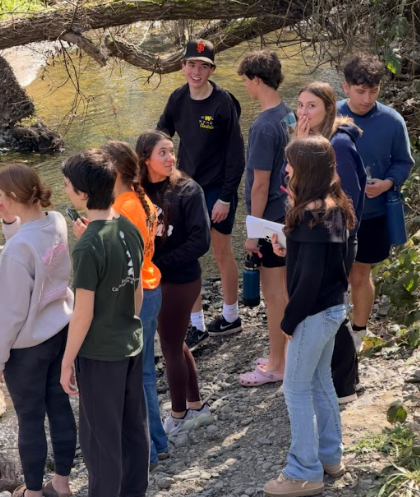
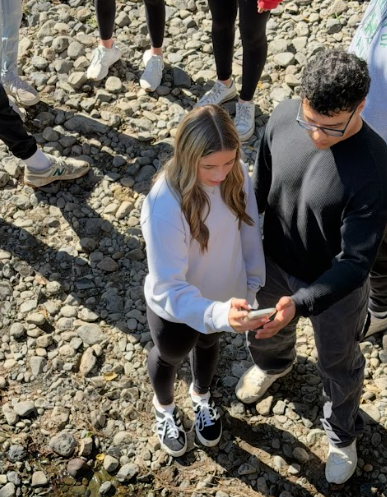
Because it is important that students have hands-on experience about the topics that they cover in class, they routinely make visits to Adobe Creek during class. This allows students to have a break from the lectures in class. And although an assignment typically follows the visits to the creek, these are still fun experiences that students wouldn’t get in any other class.
The Hatchery class provides an equal opportunity for learning and experiencing nature at Casa Grande. While most see this class as intimidating or just not the right class for them, it’s worth a shot to apply for it during your junior or senior year at Casa Grande. For students to apply, students must’ve taken biology before being able to join the class. Most students take Hatchery junior or senior year, because most students do not take biology until their sophomore year. Though the requirements aren’t rigorous, a large amount of students want to join just for the experience. In fact, many students aren’t selected for the class because of the amount of class applications. Though some students drop the class after initially registering for it, interested students are strongly encouraged to speak to their counselors if they are really interested in joining the class.
While some say that you need to like fish to be in the class, this is not true. Students spend little time with the fish unless they are a part of the advanced class. The class isn’t fit for everyone; however, even students who may have felt unsure about signing up often end up staying because they enjoy the class so much. The students who were once the most uncertain end up becoming the ones who recommend the class to other students. The Hatchery has become an exciting aspect of Casa Grande High School, and the class sticks with students even after high school — into their futures.